

Essential Fall Maintenance for Rental Homes in Michigan: A Landlord’s Checklist
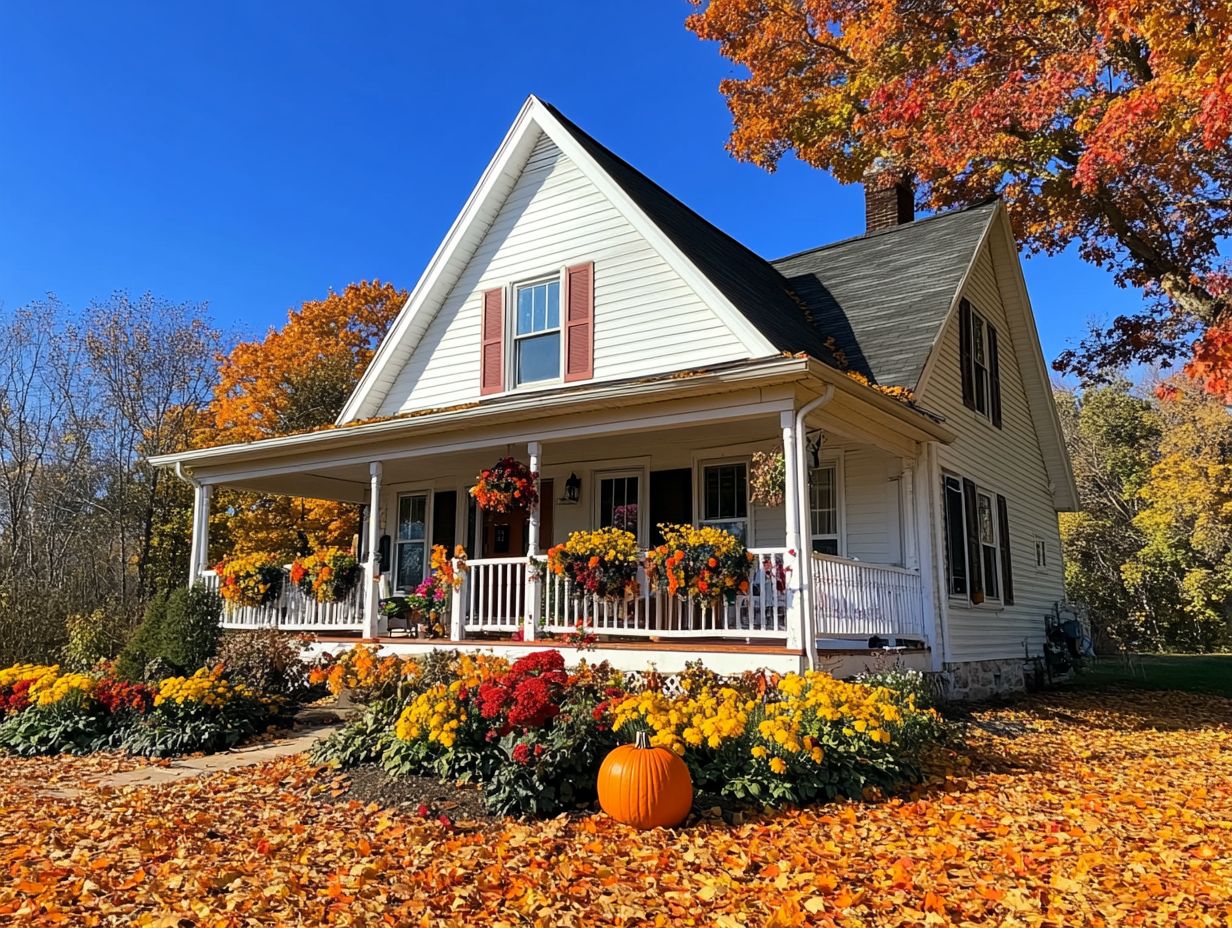
As the leaves begin to change and temperatures start to drop, fall is one of the most important times of year for rental property maintenance in Michigan. With freezing temperatures, heavy snowfall, ice, and unpredictable winter weather just around the corner, preparing your rental homes now can help prevent costly repairs, protect your investment, and keep tenants comfortable and safe throughout the winter months.
For Michigan landlords and rental property owners, a proactive fall maintenance routine is more than just a seasonal chore. It's an opportunity to identify small problems before they turn into expensive emergencies.
Whether you own a single rental home or manage an entire portfolio of properties, here are the essential fall maintenance tasks every Michigan property owner should prioritize.
1. Schedule a Professional Furnace and HVAC Inspection
One of the most important fall maintenance tasks is making sure your heating system is ready for winter.
Michigan winters can bring extended periods of below-freezing temperatures, making a reliable furnace essential for tenant comfort and property protection.
Before the heating season begins:
- Schedule a professional furnace inspection and tune-up.
- Replace or clean HVAC filters.
- Check thermostats to ensure they are functioning properly.
- Inspect vents and ductwork for obstructions or leaks.
- Check carbon monoxide detectors near fuel-burning appliances.
- Make sure tenants know how to report heating issues promptly.
A properly maintained heating system can improve energy efficiency, reduce unexpected breakdowns, and help prevent frozen pipes during extreme cold.
Property owner tip: Don't wait until the first major cold snap to schedule furnace service. HVAC contractors tend to get busier once temperatures drop.
2. Clean Gutters and Inspect Downspouts
Falling leaves are beautiful, but clogged gutters can create serious problems for rental homes.
When gutters become packed with leaves, twigs, and other debris, water cannot drain properly. As temperatures fluctuate, trapped water can freeze, potentially damaging gutters, roof edges, and surrounding areas.
Make sure to:
- Remove leaves and debris from all gutters.
- Check downspouts for blockages.
- Confirm downspouts direct water away from the foundation.
- Inspect gutters for loose brackets, sagging, or damage.
- Check for signs of water pooling near the home's foundation.
Proper drainage is especially important in Michigan, where fall rain and winter snowmelt can contribute to basement moisture and foundation issues.
3. Protect Plumbing and Prevent Frozen Pipes
Frozen pipes are among the most expensive winter maintenance problems rental property owners can face.
When water freezes inside plumbing lines, it expands and can cause pipes to crack or burst. Even a small pipe failure can result in significant water damage to flooring, drywall, personal belongings, and other parts of the home.
Before winter arrives:
- Insulate exposed pipes in basements, crawl spaces, and attics.
- Check for drafts around plumbing entry points.
- Disconnect and drain outdoor garden hoses.
- Shut off and drain exterior faucets when appropriate.
- Check for plumbing leaks and dripping faucets.
- Make sure the home's heating system is functioning reliably.
It's also important to communicate with tenants about keeping the heat at an appropriate temperature during cold weather, particularly when traveling or leaving the property for an extended period.
For vacant rental properties, owners should have a specific winterization plan that addresses water shutoffs, plumbing drainage, heating, and regular property inspections.
4. Inspect Windows, Doors, and Weatherstripping
Drafty windows and doors can make rental homes uncomfortable during Michigan's colder months while increasing heating costs.
Fall is the ideal time to identify and repair air leaks before freezing temperatures arrive.
Inspect:
- Window seals and caulking.
- Door frames and weatherstripping.
- Damaged window screens.
- Cracked or broken window glass.
- Exterior door sweeps.
- Visible gaps around utility openings and exterior penetrations.
Replacing worn weatherstripping and sealing small gaps can improve indoor comfort, reduce drafts, and help heating systems operate more efficiently.
Don't forget to check basement windows and doors, as these areas are often overlooked during routine maintenance.
5. Inspect the Roof and Exterior of the Property
Michigan winters can be particularly hard on roofs and exterior building materials. Snow accumulation, ice, freezing rain, and strong winds can expose existing weaknesses and create additional damage.
A fall exterior inspection can help identify problems before winter weather makes repairs more difficult.
Look for:
- Missing, curling, or damaged shingles.
- Loose flashing around chimneys and vents.
- Signs of roof leaks or water stains.
- Damaged siding or exterior trim.
- Cracks in foundation walls.
- Loose handrails, steps, or porch boards.
- Damaged exterior lighting.
Addressing roof and exterior issues early can help prevent water intrusion, structural damage, and potentially dangerous conditions for tenants.
6. Prepare the Yard and Landscaping for Winter
Outdoor maintenance is another important part of preparing rental homes for Michigan's colder months.
Overgrown landscaping, fallen leaves, and poorly maintained walkways can create safety hazards and lead to property damage.
Your fall landscaping checklist should include:
- Raking and removing excessive leaves.
- Trimming tree branches near roofs and structures.
- Removing dead plants and fallen branches.
- Cleaning up flower beds and garden areas.
- Inspecting fences and gates.
- Clearing debris from walkways and driveways.
- Checking outdoor drainage areas.
Pay particular attention to tree limbs hanging over roofs, driveways, and parking areas. Heavy snow and ice can cause weakened branches to break, potentially damaging vehicles or the rental property.
7. Test Smoke and Carbon Monoxide Detectors
Tenant safety should always be a priority, and seasonal maintenance is an excellent opportunity to review important safety equipment.
Before winter, test all smoke alarms and carbon monoxide detectors throughout the property.
Check that:
- Smoke alarms are installed in required locations.
- Carbon monoxide detectors are properly installed where required.
- All devices are operational.
- Batteries are replaced when needed.
- Fire extinguishers are accessible and in working condition, where provided.
- Exterior entryways and stairways have adequate lighting.
Carbon monoxide safety is especially important during the heating season when furnaces, fireplaces, and other fuel-burning appliances are being used more frequently.
Never overlook a malfunctioning alarm. Address safety-related maintenance concerns promptly.
8. Establish a Snow and Ice Removal Plan
Snow and ice are unavoidable parts of Michigan winters, so rental property owners should have a plan in place before the first snowfall.
Determine who is responsible for snow removal and ice management based on the lease, applicable local requirements, and any property management agreements.
Consider arranging:
- Professional snow removal services.
- Sidewalk and driveway clearing.
- Ice management for steps and entryways.
- Parking lot snow removal for multi-unit properties.
- Regular inspections during and after winter storms.
Make sure tenants know how to report slippery walkways, icy steps, or other winter-related safety concerns.
Planning ahead can help reduce liability concerns and keep tenants, visitors, and delivery personnel safer.
9. Inspect Basements, Crawl Spaces, and Attics
Areas that aren't used every day can easily go overlooked, but they are important parts of your fall maintenance routine.
Basements, crawl spaces, and attics should be inspected for signs of moisture, pests, inadequate insulation, and potential air leaks.
Look for:
- Water stains or signs of moisture intrusion.
- Cracks or gaps around foundation openings.
- Damaged or displaced insulation.
- Signs of rodents or other pests.
- Plumbing leaks.
- Blocked vents or ventilation issues.
- Signs of roof leaks in attic spaces.
Addressing these concerns before winter can help protect the home's structure, improve energy efficiency, and reduce the likelihood of pest activity.
10. Communicate Seasonal Maintenance Expectations to Tenants
Property maintenance is a shared effort between landlords and tenants, and clear communication can make a significant difference during the winter season.
Before temperatures drop, send tenants a seasonal maintenance reminder outlining important expectations and reporting procedures.
Consider including reminders to:
- Report heating or plumbing problems immediately.
- Keep the thermostat at an appropriate temperature during cold weather.
- Avoid turning off the heat completely when traveling.
- Report dripping ceilings, water leaks, or unusual odors.
- Keep exterior doors and windows properly closed.
- Report icy walkways and other safety concerns.
- Notify management if they plan to leave the home vacant for an extended period.
Encouraging tenants to report small issues early can help prevent larger maintenance problems down the road.
Final Thoughts: Prepare Now for a Better Winter
Fall maintenance is one of the best investments Michigan rental property owners can make in protecting their properties and keeping tenants comfortable.
Taking the time to inspect heating systems, clean gutters, protect plumbing, address exterior repairs, and prepare for snow and ice can help prevent expensive emergencies when winter weather arrives.
Most importantly, staying ahead of seasonal maintenance helps create a safer, more comfortable rental experience while protecting the long-term value of your investment.
Don't wait until the first snowfall to prepare your rental properties. A little preventative maintenance this fall can save you significant time, money, and stress this winter!